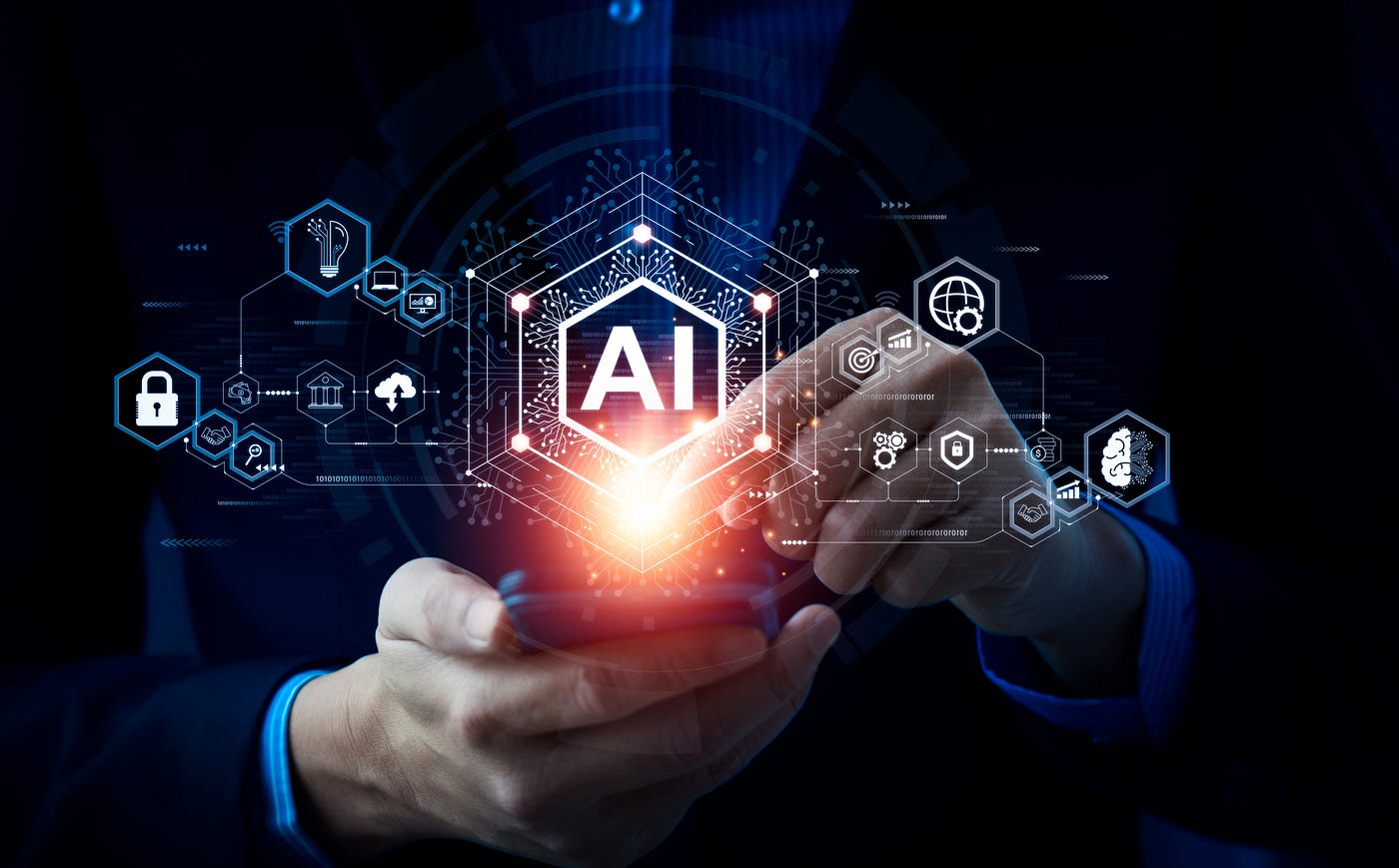
Artificial Intelligence (AI) refers to the simulation of human intelligence in machines that are programmed to think and learn like humans. AI systems can perform tasks that typically require human intelligence, such as visual perception, speech recognition, decision-making, and language translation. It involves various subfields, such as:
Machine Learning (ML) is a subset of Artificial Intelligence that focuses on the development of algorithms and statistical models that enable computer systems to improve their performance on a specific task through experience. Instead of explicitly programming rules, ML algorithms use data to learn patterns and make predictions or decisions. Key types of ML include:
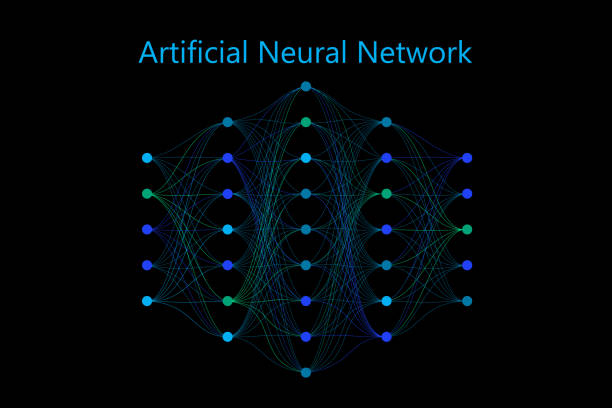
Explore the foundations of deep learning and how neural networks mimic the human brain.
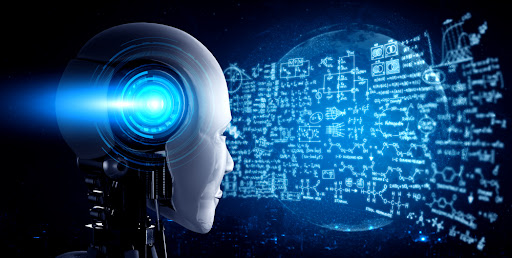
Discover how machines interpret and understand visual information from the world.

Learn about the intersection of linguistics and AI in processing human language.
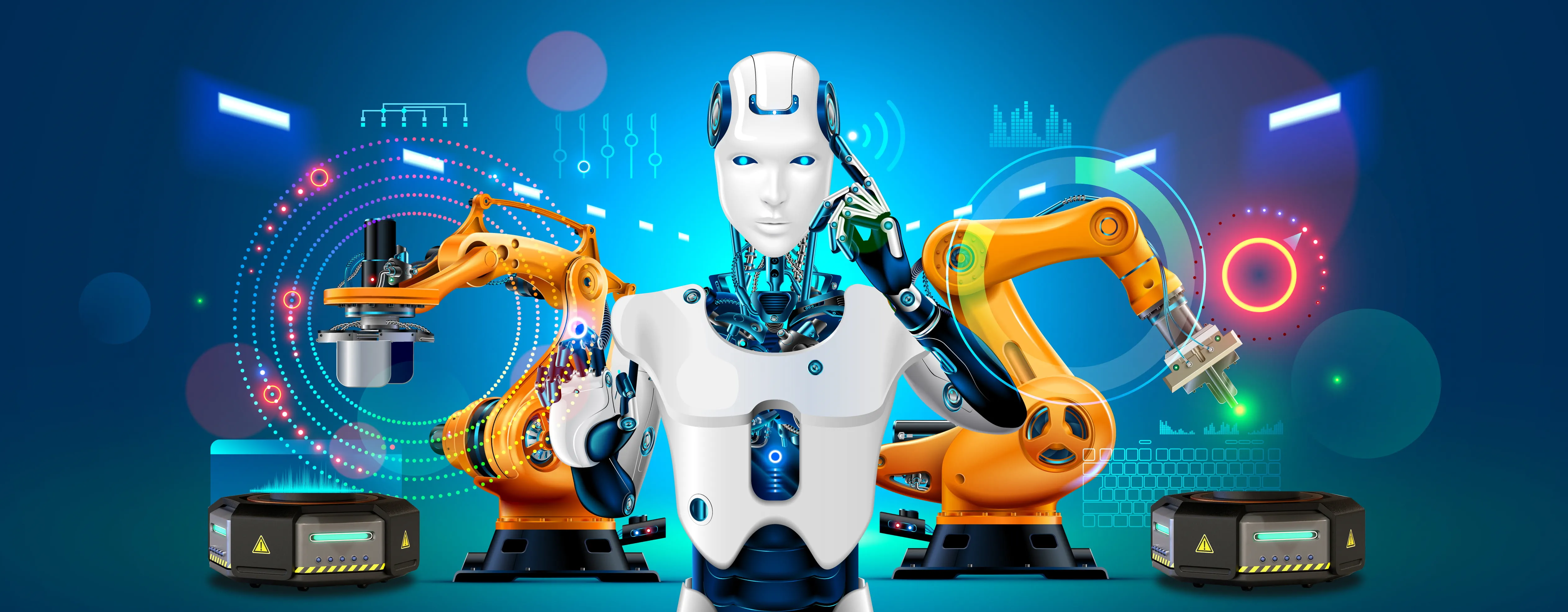
Explore the exciting field where AI meets physical machines and automation.
Algorithms are the mathematical instructions that guide how a machine learns. Popular ones include linear regression, decision trees, and neural networks.
Models are representations of what the machine has learned. A model is trained by feeding data into an algorithm.
Neural networks are the backbone of many AI applications, particularly in deep learning. They are designed to mimic the way the human brain processes information, consisting of layers of nodes (neurons) that can learn from input data.
Deep Learning: A subset of ML involving neural networks with multiple layers. Deep learning is particularly useful for complex tasks like image recognition, natural language processing, and autonomous systems.
Data: The foundation of AI. Machine learning systems learn from data, and the quality and quantity of the data significantly affect model performance.
Training: The process of feeding data to an algorithm to learn patterns and make predictions. Training data is crucial for the accuracy of the model.
Once a model is trained, it needs to be evaluated to ensure it performs well. This is typically done by splitting data into training and testing sets, and measuring accuracy, precision, recall, and other metrics.
AI and ML are reshaping industries and creating new possibilities. Whether through automating tasks, enabling better decision-making, or offering new solutions in healthcare, finance, and beyond, AI/ML technologies are at the core of the technological revolution. However, they also bring challenges in terms of data, ethics, and transparency, making it important for innovators and society to navigate these responsibly.